
How to Win at SFA Winter FancyFaire: The Specialty Food Founder’s Playbook for Buyer Connections That Convert
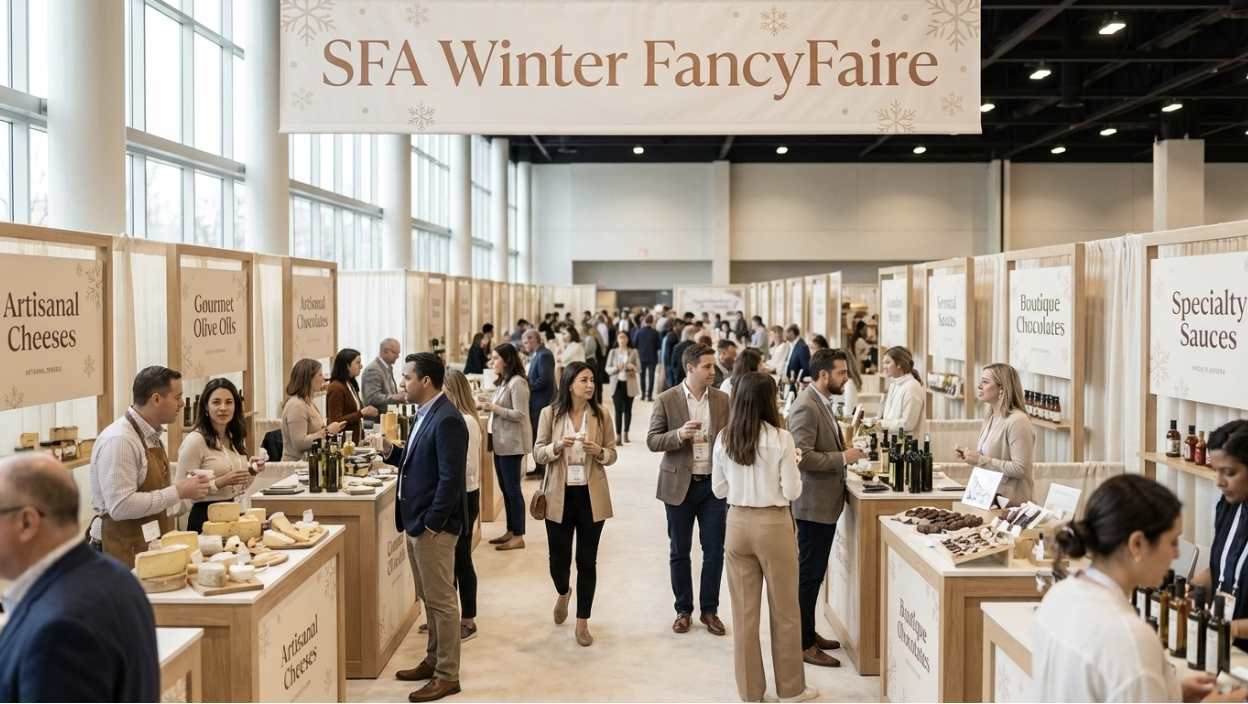
SFA Winter FancyFaire is where grocery, natural, specialty, club, and ecomm buyers go to discover what’s next in food and beverage. If you’re a CPG founder, the goal isn’t to hand out the most samples—it’s to leave with real next steps that turn into shelf space. Here’s a focused, field-tested plan.
Pre-Show: Set Yourself Up for Real Buyer Conversations
Define where you fit—and who you want to meet
Target channels: natural/specialty grocery, regional chains, independents, club, gift, and foodservice.
Make a list of 25 specific targets: category buyers and merchant teams, plus distributor category managers (UNFI/KeHE/independent regionals).
Note each target’s assortment focus, reset timing, and private label posture.
Tighten your numbers and paperwork
Pricing grid: MSRP, wholesale, FOB/Landed, promo allowances, and expected retailer margin.
Case specs: units/case, case weight, dimensions, shelf life, storage/temp, pallets per truck, MOQs, lead times.
Readiness: distributor status (codes/SKUs if active), 3PL, insurance, COIs, sell sheets, hi-res images, UPCs, certifications (Organic, Non-GMO, Kosher, Gluten-Free), and claims.
Build a 30-second show hook
Answer in one breath:
What’s the flavor/format they don’t have?
What proof do you have (velocity, repeat, wins)?
Why now for their category and shopper?
Example: “We’re the shelf-stable cold brew with 8-month life that lifted natural channel basket by 11% and turns 1.7x category. We’re ready with UNFI and a Q2 demo plan to drive trial.”
Lock meetings early and make them easy
Reach out with a specific ask: “15 minutes at SFA Winter FancyFaire to review a category gap and a 90-day launch plan.”
Include one-page sell sheet and pricing; propose two time windows; keep it short.
On the Floor: Work Winter FancyFaire Like a Pro
Where to spend time
New product and startup/incubator areas: buyers scan here for what’s next.
Regional pavilions: understand local trends and distribution realities.
Category-adjacent brands: your future promo partners and intro sources.
Sampling that sells (and doesn’t slow you down)
Portion small, serve fast, and post allergen info visibly.
Keep hot/cold foods at temp; gloves/tongs, no exceptions.
Signage: QR to sell sheet and “Show Deal” one-liner.
Track every qualified sample: name, company, role, distributor status, reset timing, and next step.
The three questions to ask every buyer
“Which set are you thinking about me for, and when is that review?”
“Which distributors are easiest for you on this category?”
“What does success in the first 90 days look like to you?”
The Buyer Meeting: Make It About Their Business
Bring data, not just tasty bites
Velocity vs. category, ACV, repeat rate, demo impact, and margin story.
Operational proof: on-time fill, OTIF, forecast accuracy, production capacity.
Packaging fit: pack size, shelf footprint, and merchandising options (shipper, clip strip, bunker).
Be crystal clear on terms and support
Launch plan: intro allowance, first 90-day promo calendar, demos or digital offers, and retailer media support.
Distributor plan: existing codes or onboarding timeline; who pays for what (freight, MCBs, billbacks) per their norm.
Next steps ready to send: samples, compliance docs, item setup forms, and images.
End with one concrete next step
“I’ll email the pricing grid and 90-day plan today; can we target a 6-store test in March with a demo in week 2?”
After the Show: Follow Up to Win
48-hour playbook
Email same-day or next morning with subject that includes your brand and the category.
Attach: one-page sell sheet, pricing, spec sheet, certifications, distributor status, 90-day launch plan, and images.
Reference their words from the meeting and restate the single next step with a date.
Build a simple pipeline
Tag leads: Hot (review within 60 days), Warm (90–180 days), Explore (no timeline yet).
Calendar the next action by their reset date, not your schedule.
Log content sent and any approvals needed (legal, quality, marketing).
Common FancyFaire Mistakes (Skip These)
Leading with brand story instead of business case. Open with category impact and proof.
No distributor plan. Have a path via UNFI/KeHE or a clear direct model for independents.
Oversampling without qualifying. Every cup should create a contact and a next step.
Vague pricing and margins. If you can’t talk numbers, you can’t get listed.
Ignoring channel fit. Club, gift, and foodservice may be your faster wins—ask.
Packaging that isn’t shelf-ready. Think peg, bunker, shipper, and case pack realities.
Your SFA Winter FancyFaire 5-Day Action Plan
Today: Lock your target list and outreach; finalize pricing grid and sell sheet.
Tomorrow: Tighten your 30-second hook; prep sampling ops and signage.
Show Days: Prioritize qualified meetings over foot traffic; capture clean notes.
Within 48 Hours: Send tailored follow-ups with one next step and a date.
Weeks 2–4: Confirm tests, onboard distributors, execute first promo, and measure.
If you want help maximizing SFA Winter FancyFaire—booth logistics, pre-show outreach, on-site lead capture, and post-show follow-through—CPG Xperience runs shared trade show spaces, one-day CPG Bootcamps, and direct buyer introductions with no commissions or retainers. We’ll make sure the conversations you have at the show turn into placements that matter. Visit https://www.cpgxperience.com.
If you need help developing your trade show strategy or connecting with the right retail buyers, CPG Xperience specializes in helping CPG founders navigate exactly these opportunities. Because at the end of the day, it's not just about getting into the trade show( it's about getting into the stores that matter.)